Have you ever had this experience? It’s late at night, everything’s quiet, and you’re just about to drift off to sleep—when suddenly, a weird sound comes from the neighbors who share a wall with you.
Maybe it’s a low conversation, maybe some random bursts of laughter, or maybe… something you really can’t describe. Whatever it is, it makes your ears perk up.
The sound is muffled, but that only makes it worse—like an invisible hand tapping on your nerves. You toss and turn in bed, curiosity eating away at you.
What on earth are they doing?
Alright, I’ll admit it—eavesdropping on the neighbors isn’t exactly something to be proud of. But let’s be real, curiosity is a tough thing to control. And sometimes, it’s not even on purpose! The sounds just find their way into your ears, right?
What’s even more frustrating? The more you try to make out what they’re saying, the fuzzier it gets. It’s enough to drive you crazy!
Today, let’s talk about something a little nosy but totally useful: how to hear neighbors through walls.
If the sounds from next door are driving you nuts, or if you’re just plain curious (come on, don’t pretend you’re not), this blog might give you some interesting insights.
Ready? Let’s dive in!
Why Can You Always Hear Your Neighbors but Never Clearly?
Have you noticed that the sounds from the neighbors who share a wall with you always seem… muffled? It’s like there’s a thin veil over them—loud enough to be annoying, but never clear enough to actually understand what’s going on. And somehow, that’s even more frustrating than hearing everything clearly!
Why?
Because your brain is a problem-solving maniac. It hates incomplete information. The second you hear those vague noises, your brain kicks into overdrive: Will it keep going? Will it get louder? Is my peace about to be completely ruined? And just like that, you’re stuck in an endless loop of irritation.
Muffled Sounds Are Even More Annoying
Think about it—if you knew exactly what your neighbors were doing, you could at least deal with it. But nope, the sound is always just vague enough to drive you crazy. All you get are random noises like thud thud thud… crash… creeeak…
And just like that, your brain goes into detective mode: Are they moving furniture? Renovating? Throwing a party? Is this going to last all night? I have to wake up early tomorrow!
It’s like when you hear one shoe drop upstairs in the middle of the night—now you’re just lying there, anxiously waiting for the second one to fall. Pure torture!
The “Secrets” of Walls
Walls aren’t as soundproof as you think—especially in older buildings. You might believe they’re solid barriers, but in reality, they’re more like paper tigers.
Sound travels through walls by making them vibrate. But here’s the catch: high-frequency sounds (like screams) get weakened, while low-frequency noises (like dragging heavy furniture) pass through more easily. That’s why everything you hear sounds muffled, like it’s coming from far away—except you know it’s not. It’s coming from right next door.
Sound “Leakage Points”
It’s not just the walls—sound sneaks in through all sorts of little “loopholes.” For example:
- Door Gaps: If there’s a big gap under your door, congrats—you’ve got a noise highway.
- Windows: A slightly open window? That’s a VIP express lane for sound.
- Pipes: Those hidden water or heating pipes in the walls? Yeah, they’re basically secret tunnels for noise.
- Outlets: Believe it or not, even electrical outlets can act like little megaphones for sound!
So next time you hear noise from the neighbors who share a wall with you, don’t just blame the walls—your door gap or window might be helping the sound sneak in!
But the real question isn’t just why you can hear it. It’s will it stop? Will it get louder? Is my entire night ruined?
And that, my friend, is what truly drives you crazy.
How to Hear Neighbors Through Walls?
If the noise from the neighbors who share a wall with you has driven you crazy enough to want to “solve the mystery,” let’s talk about how to make those muffled sounds a little clearer.
I’m not telling you to do anything shady—I’m just here to help you figure out one thing: Is this noise going to last? Because let’s be real—sometimes, you just need to know whether to put up with it or march over and knock on their door!
The Basic Detective Method

Keep the room quiet: Turn off the TV, fan, AC—heck, even hold your breath if you can.
Ear to the wall: Just like detectives in the movies, press your ear against the wall and listen carefully. Yeah, it might look ridiculous, but trust me—it works.
Pro tip: Find a comfy position, or you’ll end up with numb legs (don’t ask how I know this).
The Glass Cup Trick: The Classic “DIY Stethoscope”

How to do it: Grab a wide-rimmed glass, press the bottom firmly against the wall, and slowly move it around until you find the sweet spot.
Listening technique: Put your ear against the bottom of the glass—sound waves travel through the wall and the glass, making the noise from next door louder.
Pros: Super easy, and you probably already have a glass at home.
Use Tech: Because Science Makes Everything Better
Phone Apps: If you have an iPhone, try an audio amplification app like Amplitude Pro. Press your phone against the bottom of a glass on the wall for even better results.
Recording Feature: Just use your phone’s built-in recorder, press it against the wall, and play it back with headphones for a clearer listen.
Pro Tip: Be careful what you record—respecting privacy is still important!
Use a Parabolic Microphone

Best for: If you live in a standalone house or have a balcony, this could be your secret weapon.
Effectiveness: Picks up sounds crystal clear within 30 meters—basically a “superpower” for eavesdropping.
Pro Tip: Don’t use it for spying on private conversations… unless you want to be labeled the neighborhood creep.
Modified Stethoscope: Spy-Level Gear

How it works: Some modified stethoscopes come with built-in microphones to amplify sounds from the other side of the wall.
Effectiveness: More sensitive than a regular stethoscope—great for picking up low-frequency noises.
Pro Tip: It looks pretty professional, so maybe practice using it first… unless you want to freak yourself out.
Professional Wall Amplifier: The Ultimate Weapon
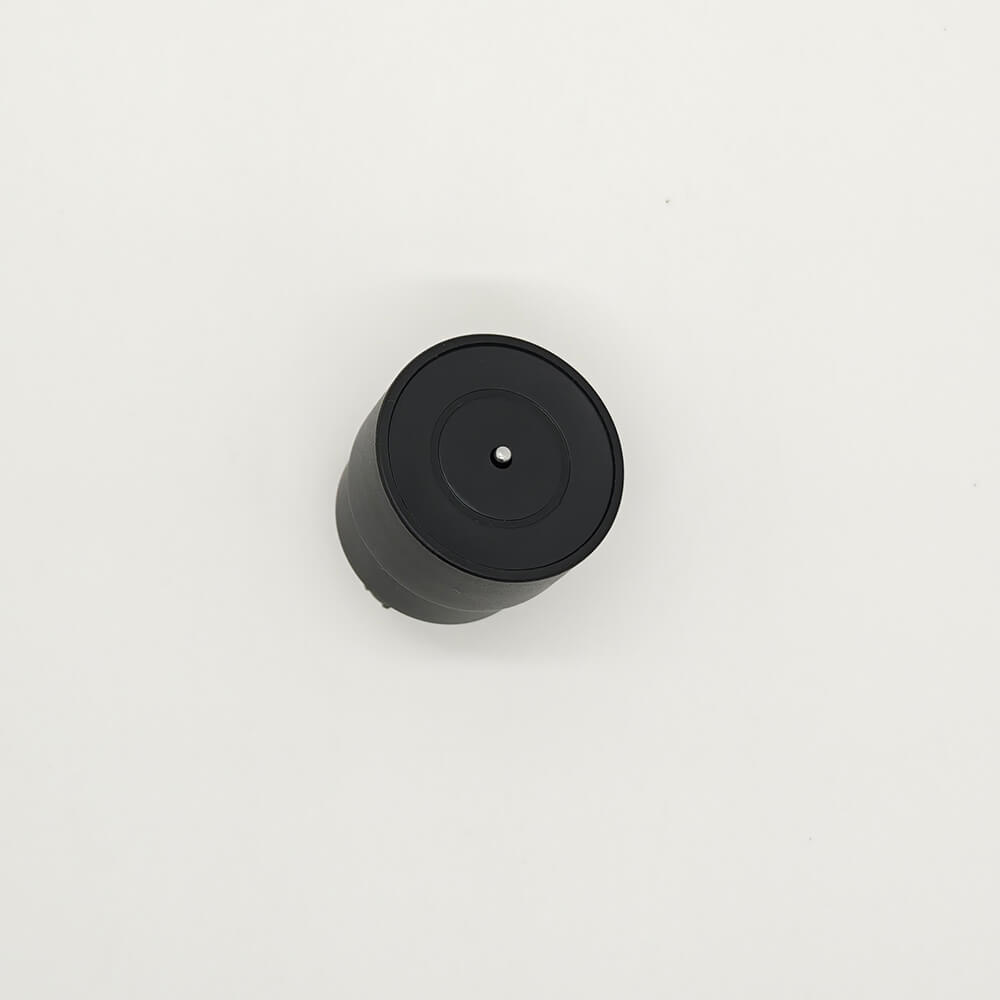
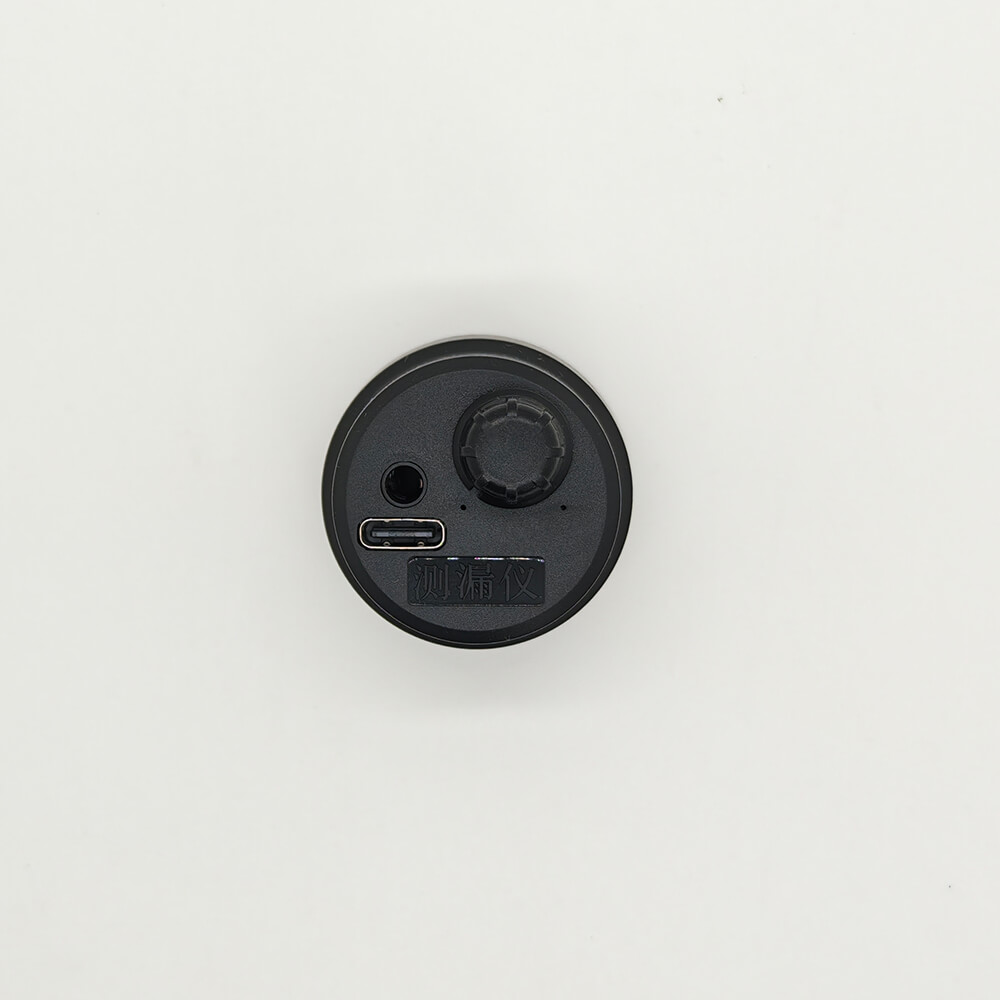

Origins: Originally designed for plumbers to detect leaks inside walls—highly sensitive to even the tiniest water droplets.
Effectiveness: If it can pick up a drip, your neighbors’ noise is nothing for this beast.
Best for: When you’re absolutely done with the noise but not ready for an awkward confrontation.
Pro Tip: It’s a bit pricey, but hey, peace and quiet might just be worth the investment! 🏆
How to Stop Hearing Neighbors Through Walls
Alright, now you know how to make those muffled noises clearer. But do you really want to hear what’s happening next door?
Sometimes, the truth is either way more boring—or way more awkward—than you imagined. And if the noise is just keeping you up at night, listening harder is only going to make it worse!
So instead of playing detective, let’s talk about how to block out those annoying sounds for good.
Soundproofing Hacks: Turn Your Wall into a Noise Barrier
- Hang Thick Rugs or Acoustic Panels – Cover your walls with heavy rugs or specialized soundproofing foam. It doubles as décor while absorbing noise.
- Block the Wall with Furniture – Place large furniture like bookshelves or wardrobes against the shared wall. More storage, less noise!
- Seal Gaps in Doors & Windows – Use weather stripping or foam seals to block sound from sneaking through tiny gaps.
Create White Noise: Fight Noise with Noise
- Fan or Air Purifier: Turn on a fan or an air purifier to create background noise that masks the sounds from next door.
- White Noise Apps: Download a white noise app like Rainy Mood to play sounds of rain, ocean waves, or forests, making your environment feel more peaceful.
Tip: Don’t turn the volume up too high, or you might end up being disturbed by your own white noise.
Earplugs: Simple Yet Effective
Choose Comfortable Earplugs: There are many types of earplugs available—find a pair that fits your ears well and enjoy the silence.
Tip: If you’re worried about missing your alarm, try using earplugs with a timer function or place your phone under your pillow with the vibration on.
Moving Out
If You Really Can’t Stand It: Sometimes, noise problems have no perfect solution, especially if your neighbors are unreasonable. In such cases, moving out might be the best option.
Tip: When searching for a new place, pay close attention to soundproofing—knock on the walls and listen for any noise from the neighbors.
Adjusting Your Mindset: Learning to Live with Noise
Change Your Perspective: Sometimes, noise bothers you simply because you focus too much on it. Try to relax and tell yourself, “It’s just background noise.”
Conclusion
Now that you’ve learned the techniques for hearing your neighbors more clearly, remember that the goal isn’t just curiosity—it’s about safeguarding your own well-being.
Life is your own, and no one wants to be constantly disturbed by noise from next door. The real frustration comes not just from the sounds themselves but from the uncertainty—what exactly is happening, will it continue, and will it get worse? Hearing clearly helps you stay in control. It allows you to assess whether the noise will truly impact your life, decide whether to tolerate it or address it directly, and, if necessary, gather evidence to protect your rights.
So, if you’ve tried these methods and confirmed that your neighbor’s noise is truly disrupting your life, don’t hesitate—go knock on their door. Politely express your concerns; most neighbors will understand. If they refuse to be reasonable, at least you’ll have enough information to take further action, such as reporting the issue to property management or even the authorities.
Life is already exhausting, and there’s no need to let some noise drive you crazy every day. Listening clearly is about protecting yourself and creating a quieter, more comfortable life.
I hope this blog helps you, and I wish you a peaceful, noise-free environment soon!